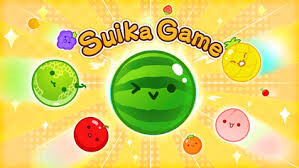

What is Suika Game?
Core Features
- Suika Game
- Space Management Strategy
- Watermelon Evolution Chain
Pricing Details
Ideal For
Detailed Description
Slice, Stack, and Score: The Unexpectedly Addictive World of Watermelon Puzzles
If you haven't stumbled into the world of watermelon puzzle games yet, you're missing out on one of the most satisfying gaming experiences of recent times. Unlike complex strategy games or competitive shooters, these deceptively simple puzzle games offer a relaxing yet engaging way to spend your free time. Whether you're waiting for coffee or taking a break from work, watermelon puzzles deliver that perfect blend of accessibility and challenge. Let's explore what makes these games so compelling and how you can jump in.
What's the Deal With Watermelon Puzzles?
Watermelon puzzles sit somewhere between classic merge games and physics-based puzzlers. The concept is straightforward: you drop various fruits into a confined space, and when two identical fruits touch, they combine into a larger fruit. It sounds simple, but the execution requires planning, foresight, and a good understanding of physics.
The genius of Suika Game lies in how it takes this fundamental mechanic and builds an entire experience around it. Starting with humble grapes and strawberries, you progressively merge fruits through watermelons and eventually reach the ultimate goal—the legendary watermelon itself. Each combination feels rewarding, and the visual feedback is delightfully satisfying. There's something genuinely thrilling about achieving that perfect merger that sends your score soaring.
Getting Your Hands Dirty: Understanding the Gameplay
When you first launch a watermelon puzzle game, you're presented with a simple grid where fruits appear. Your only control is where to place each fruit as it drops from the top. This might sound limiting, but it's actually where all the strategy emerges.
The core mechanic revolves around careful positioning. Unlike games where you might smash two objects together mindlessly, watermelon puzzles reward thoughtful placement. You need to consider not just where your current fruit will land, but where future fruits might fall and how they could potentially merge. It's like playing three-dimensional chess, except with adorable fruit graphics.
As you progress through Suika Game, the fruits evolve through a specific sequence. Grapes combine to form strawberries, strawberries become mandarins, and so on, advancing through various fruits until you reach the ultimate watermelon. The higher you climb this fruit ladder, the more points you earn. But here's the catch: your playing area is limited. Run out of space, and it's game over.
Each fruit has a physical size and weight that matters. Heavier fruits fall faster and occupy more space, while smaller fruits give you more flexibility in your arrangements. This physics system isn't just window dressing—it's fundamental to how you need to approach each placement decision.
Strategy Tips to Elevate Your Game
Plan Ahead: Before dropping a fruit, take a second to visualize where it will land and what it might hit. This small pause makes an enormous difference between a cluttered board and a well-organized one.
Create Chains: While merging individual fruits is nice, the real magic happens when you create chains of combinations. Setting up domino effects where one merger triggers a cascade of others can clear massive sections of your board and rack up serious points.
Manage Your Space Wisely: Your playing area is your most valuable resource. Don't let smaller fruits sit around taking up valuable real estate. Keep the board relatively clean by planning mergers in advance and avoiding unnecessary clutter.
The Corners Are Your Friends: Edges and corners are great places to nest fruits because they limit how far something can roll. Use boundary areas strategically to contain potential chaos.
Know When to Take Risks: Sometimes leaving space open or deliberately creating imbalance can set you up for future scoring opportunities. The best players understand when to play conservatively and when to gamble on a bigger payoff.
Embrace the Pause: Most modern watermelon puzzle games aren't timed, meaning you can take as long as you need to plan your next move. Use this to your advantage. There's no shame in taking your time to think through your strategy.
Learn From Your Mistakes: After your game ends, take a moment to reflect on what went wrong. Did you create an awkward situation three moves back? Did you miss an obvious combination? These mini-reviews help you approach future games with better instincts.
Why These Games Matter More Than You'd Think
Watermelon puzzles have carved out their own niche for good reason. They're genuinely fun without requiring a significant time investment or demanding split-second reflexes. They scratch that same itch that players look for in classic puzzle games—that feeling of accomplishment when everything clicks together perfectly.
The game design also makes them naturally social. You can easily show a friend what you're doing, explain the mechanics in seconds, and they'll immediately "get it." The visual presentation speaks for itself without needing lengthy tutorials.
Final Thoughts: Drop In and Enjoy
Whether you're a lifelong puzzle game enthusiast or someone looking for a casual gaming experience, watermelon puzzles offer something special. They're proof that you don't need flashy graphics, complex narratives, or competitive multiplayer to create something genuinely engaging. Sometimes all you need is a good idea, solid execution, and fruits that merge in satisfying ways.
So why not give it a try? Take a moment, drop some fruits, watch them combine, and feel that little rush of dopamine when everything aligns perfectly. Whether you're chasing high scores or simply looking for a peaceful way to unwind, watermelon puzzles deliver exactly what they promise: accessible fun that sticks with you long after you put the game down.
The watermelon awaits. Go merge some fruits.

AMA with Maker (0)